Understanding Florida Roof Inspection Requirements
Published July 2026 · Mia Roofers
Florida homeowners run into roof inspection requirements more often than homeowners in most other states, whether it's for insurance, financing, or simply peace of mind. Understanding what these inspections cover and when you need one can save you time, money and headaches, especially when a policy renewal or home sale is on the line.
Why inspections matter in Florida
Because of the state's exposure to hurricanes and tropical storms, Florida insurers pay close attention to roof condition when writing or renewing homeowners policies. A roof inspection gives an objective, documented picture of your roof's age, materials and current condition, which insurers use to assess risk. For homeowners, that same inspection is a chance to catch small problems before they become expensive ones.
What an inspector checks
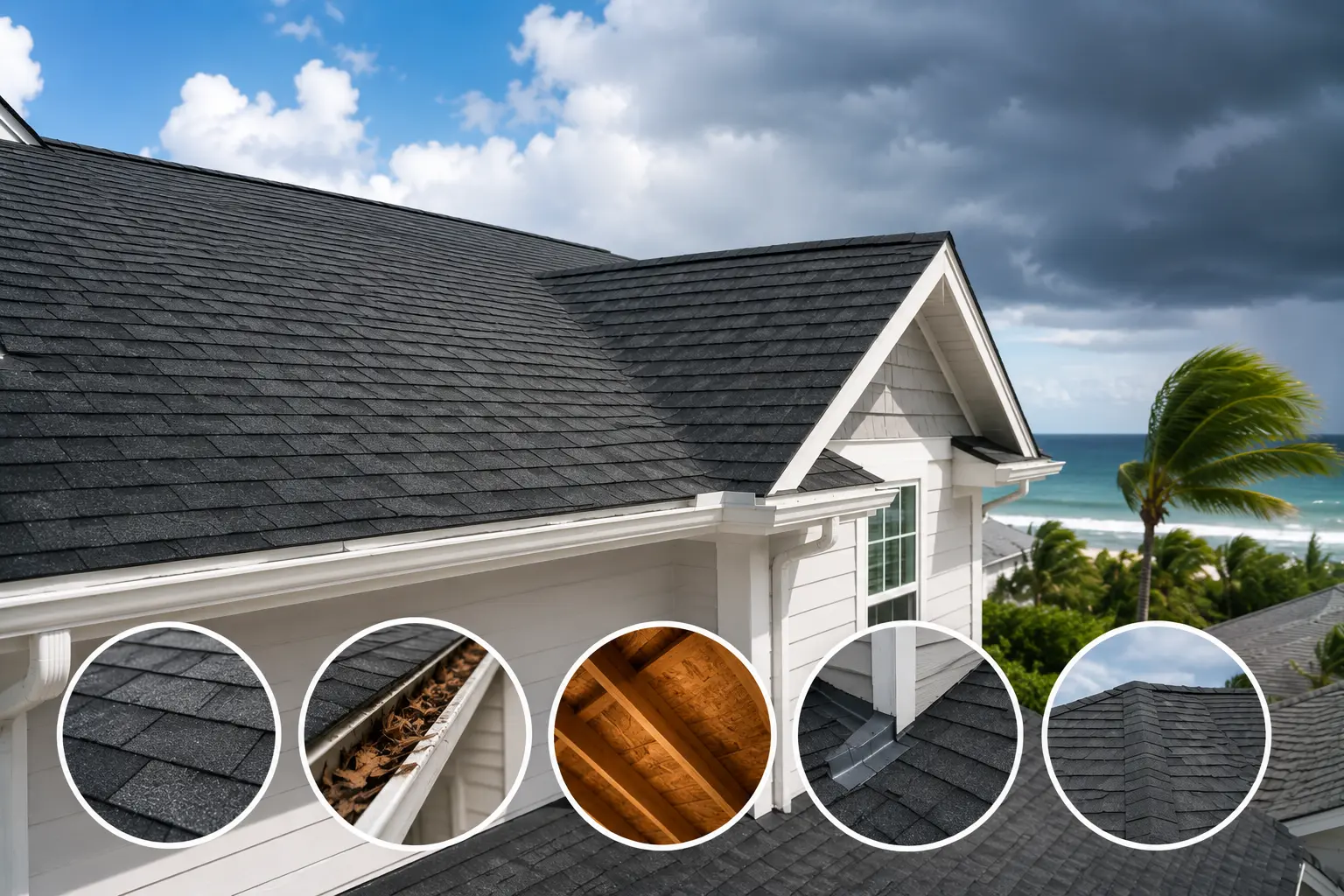
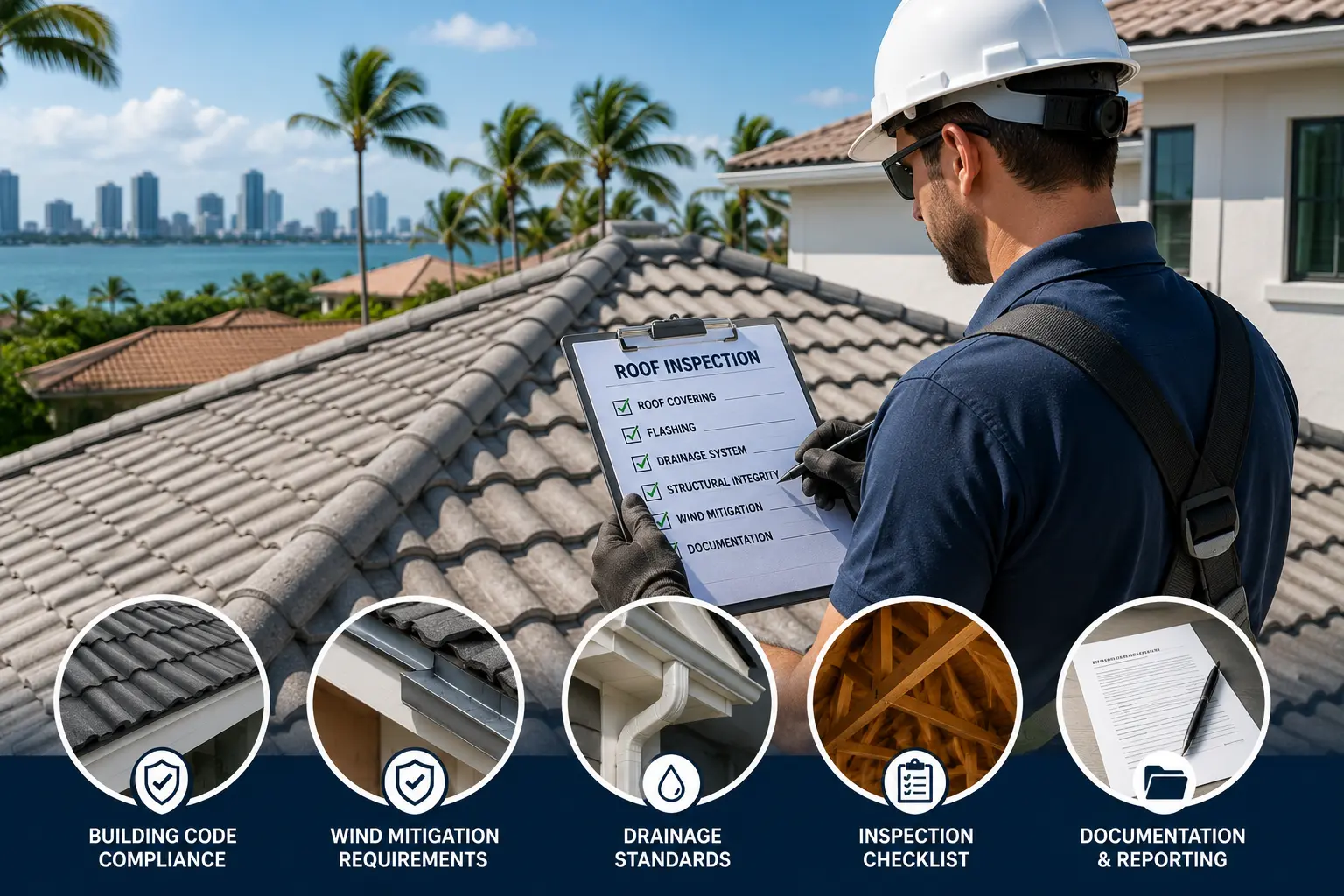
A thorough inspection covers the condition of shingles or tiles, flashing around chimneys, vents and skylights, the state of seals and caulking, signs of past or active leaks, attic ventilation, and visible wear from sun and storm exposure. Inspectors also look at the roof's overall age relative to its expected lifespan, since that's one of the strongest predictors of future problems.
Insurance-specific inspections
Two types of inspections come up often in Florida: the 4-point inspection, which evaluates the roof, electrical, plumbing and HVAC systems for insurance underwriting on older homes, and the wind mitigation inspection, which documents features like roof shape, roof-to-wall connections and impact-rated openings that can qualify you for premium discounts. Both are typically required by insurers rather than optional, and both directly affect your policy cost.
How often you should schedule one
As a general guideline, a roof inspection every one to two years is reasonable for a well-maintained roof, with additional inspections after any major storm regardless of whether you noticed damage. Older roofs, or roofs that have already shown signs of wear, benefit from more frequent checks so small issues get caught while they're still cheap to fix.
What happens after the inspection
You'll receive a written report, often with photos, documenting the roof's condition. If everything looks good, that report is useful for insurance and resale purposes. If issues are found, we'll walk you through your options honestly, whether that's a minor repair, a larger repair, or, in some cases, a full replacement, so you can make an informed decision without pressure.
Schedule a free inspection and we’ll give you a straight answer.